

 Spanish
 Italian
 French
 Russian
 Japanese
 Mandarin Simplified
 Mandarin Traditional
 Vietnamese
 Cantonese
 Shanghainese
 Taiwanese
"Hwaiting" - The Korean Word with Multiple Meanings
Uncover Different Ways You Can Use 화이팅 (Hwaiting) in Korean!
If you’ve ever visited Korea, watched a K-drama, or chatted with Korean friends, you’ve likely heard the word “Hwaiting!” 화이팅!
Interestingly, it’s not a native Korean word — it actually comes from the English word “fighting.”
👉 Because Korean Hangul doesn’t naturally include the “F” sound, it’s often replaced with a soft “H” sound, turning “fighting” into “hwaiting.”
Koreans also sometimes pronounce this word as 파이팅 (fighting) which sounds more like paiting.
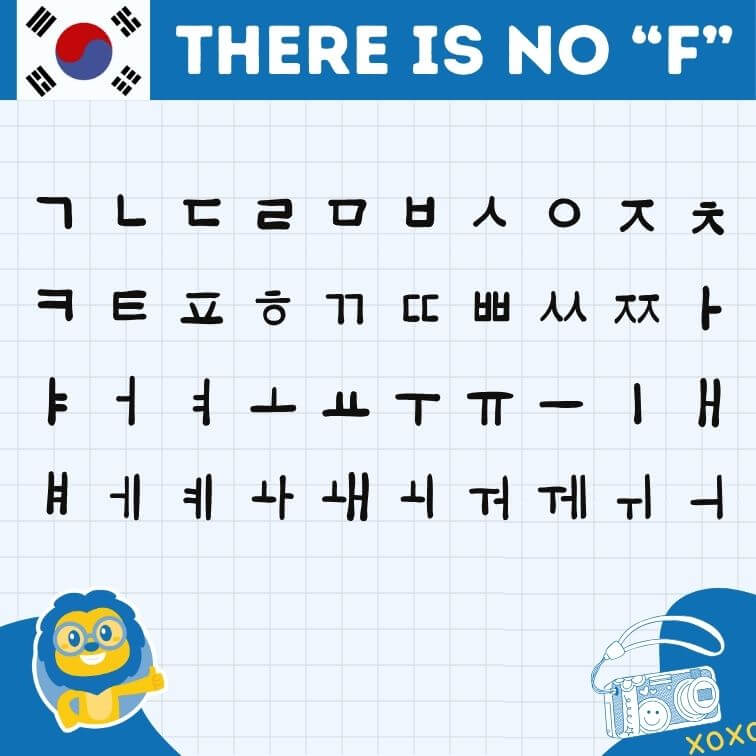
Whilst the exact origins of this phrase are unclear, today “Hwaiting!” is a beloved phrase used to cheer someone on and boost their confidence.
Whether you’re gearing up for an exam, chasing a dream, or just facing a tough day, “Hwaiting” is the go-to phrase to boost morale.
In this blog, we’ll dive into how “Hwaiting” is used and look at plenty of example sentences.
Hwaiting in Korean | Good Luck
Hwaiting in Korean | You Can Do It
Hwaiting in Korean | Keep Your Spirit Up
Hwaiting in Korean | Quiz
Hwaiting in Korean | FAQ

Hwaiting in Korean | Good Luck
The most common situation in which a Native would use this word is to express ‘good luck’ to someone taking an important exam.
The honorific system also plays a role in this expression as well.
👉 Let’s find out how to use this expression from the most formal to casual.
Using the word 화이팅 (hwaiting) in a very formal situation is rare, as wishing good luck to someone in a higher rank or senior is rare in nature. But if you do come across a situation here is how you would use it.
If a person is taking an important exam, this is the expression to use.
| Korean Phrase | transliteration | Formality |
|---|---|---|
| 시험 잘 보십시오 | si-hum jal bo-sip-si-o | Most formal |
| 시험 잘 보세요 | si-hum jal bo-seo-yo | More formal |
| 시험 잘 봐 | si-hum jal ba | Casual |
시험 (si-hum) means exam
잘 (jal) means well
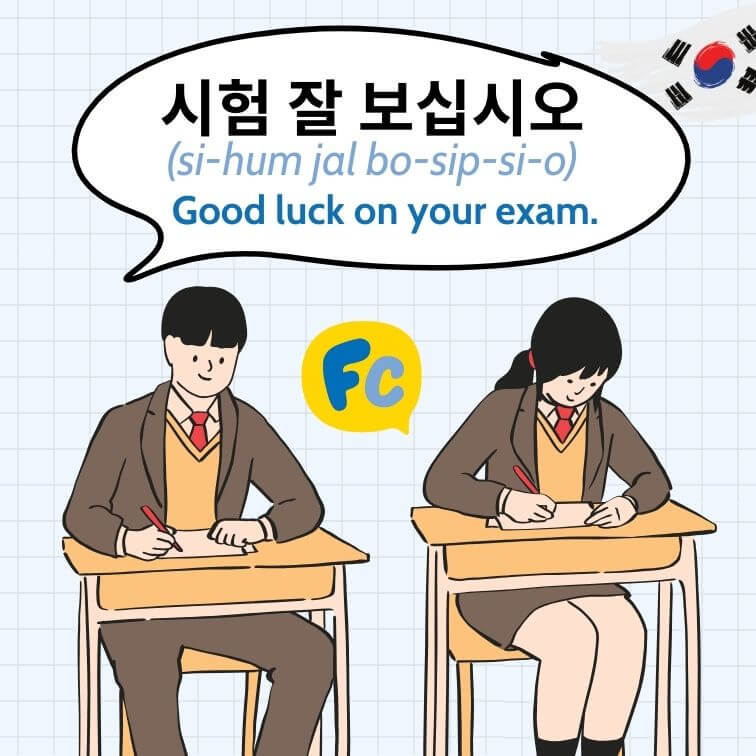
보다 (bo-da) is the basic form of the word meaning ‘to take’ as in taking a test or exam
| Korean | transliteration | formality |
|---|---|---|
| 보십시오 | bo-sip-si-yo | A formal conjugated form of 보다 (bo-da) |
| 보세요 | bo-seo-yo | A more formal conjugated form of 보다 (bo-da) |
| 봐 | ba | A casual conjugated form of 보다 (bo-da) |
시험 잘 보십시오, 화이팅입니다
(si-hum jal bo-sip-si-yo hwaiting-ip-ni-da)If you had to tell a professor or someone in a high social rank, good luck on your exam, this is the expression to use.
시험 잘 보세요, 화이팅이요
(si-hum jal bo-seo-yo hwaiting-yi-yo)This would be a common way to say good luck on your exam in any given situation. If you aren’t very close to the person, or unsure which one to use, use this one!
시험 잘 봐, 화이팅
(si-hum jal ba hwaiting)If your friend or someone younger you are close to is taking a very important exam, this is the casual form to use.

Hangul Day // The Day that Celebrates the Korean Alphabet
안녕하세요! Hangul Day is a public holiday and happens every year on the same date: 9th October. People visit museums, take part in various activities, and more.
Hwaiting in Korean | You Can Do It
👉 This is another popularly associated meaning with the word 화이팅 (hwaiting). Due to the nature of the word being expressed to cheer someone up, the most formal situation is not used for the below expression.

할 수 있어요, 화이팅이요 (hal-su-ee-seo-yo hwaiting) – More formal
할 수 있어, 화이팅 (hal-su-ee-seo hwaiting) – Casual
English: You can do it, good luck.
| Korean | transliteration | meaning |
|---|---|---|
| 할 수 있다 | hal-su-ee-da | Basic form of ‘can do’ |
| 할 수 있어요 | hal-su-ee-seo-yo | Formal conjugated form of 할 수 있다 |
| 할 수 있어 | hal-su-ee-seo | Casual conjugated form of 할 수 있다 |
👉 Think of a situation where a friend will be performing on stage. After all the time and effort put into the preparation, your friend must be nerve-racked with the anxiety of a ‘what if I fail’ feeling. This is the time you use the expression below to give them a lift!
잘할 거예요, 화이팅이요 (jal-hal-go-ye-yo hwaiting-yi-yo) – More formal
잘할 거야, 화이팅 (jal-hal-go-ya hwaiting) – Casual
English: You’re going to rock this, good luck!
| Korean | transliteration | meaning |
|---|---|---|
| 잘 | jal | Means “well” |
| 할거다 | hal-go-da | Basic future form of “do” |
| 할 거예요 | hal-go-ye-yo | Formal conjugated form of 할거다 |
| 할 거야 | hal-go-ya | Casual conjugated form of 할거다 |
Hwaiting in Korean | Keep Your Spirit Up
👉 If a friend or an acquaintance is going through a difficult time and needs an uplift, cheer them up with this expression. Use the more formal form for someone you need to show hierarchy. Use the casual for your close circle of friends or family members.
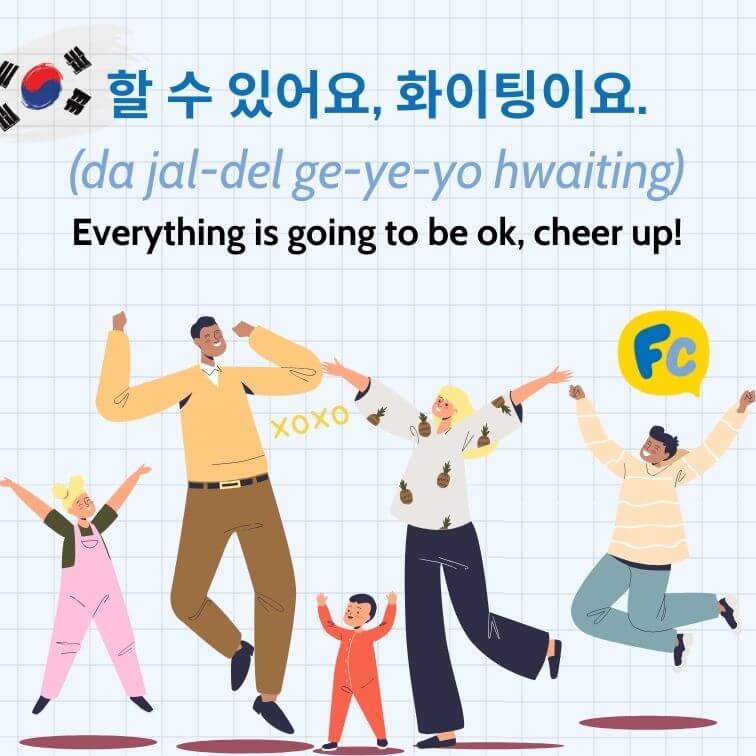
다 잘될 거예요 파이팅 (da jal-del ge-ye-yo hwaiting) – More formal
[speak 다 잘 될 거야 파이팅 (da jal-del ge-ya hwaiting) – Casual
English: Everything is going to be ok, cheer up!
| Korean Phrase | transliteration | meaning |
|---|---|---|
| 다 | da | Means “everything” |
| 잘 | jal | Means “well” or “good” |
| 될 것이다 | deul geosida | Future form for “to be” (will be) |
| 될 거예요 | deul geoyeo | Formal conjugated form of 될 것이다 |
| 될 거야 | deul geoya | Casual conjugated form of 될 것이다 |
Here is another expression that means something similar to the above expression.
별일 없을 거예요 화이팅 (byeol-il eop-sul ge-ye-yo hwaiting) – more formal
별일 없을 거야 화이팅 (byeol-il eop-sul ge-ya hwaiting) – casual
English: Everything is going to be ok, cheer up!
| Korean | transliteration | meaning |
|---|---|---|
| 별 | byeol | Means “something unusual” |
| 일 | il | Means “a thing” |
So if combined, it means an unusual thing, or something special
| Korean | transliteration | meaning |
|---|---|---|
| 없을 거다 | eop-seul-ge-da | Means “not happening” |
| 없을 거예요 | eop-seul-ge-ye-yo | Formal conjugated form of 없을 거다 |
| 없을 거야 | eop-seul-ge-ya | Casual conjugated form of 없을 거다 |
If the expression combines it will translate to nothing unusual will happen which translates to ‘everything is going to be ok’.
화이팅 (hwaiting), also pronounced as 파이팅 (paiting) is a ubiquitous daily expression for Koreans. Try to remember the situations we learned above, and cheer your friend up!
- Visiting a Korean Sauna 찜질방 (Jjimjilbang)
- Free Korean Ebook
- Korean Dating Culture 101💖
- How to Say Hello in Korean // It’s Not As Simple As It Sounds
- What Does “Oppa” Mean in Korean? | Full Guide for Learners
USEFUL VOCABULARY
👇 We should have you pretty well covered with the following vocabulary and phrases:
| Korean | Transliteration | English Meaning |
|---|---|---|
| 화이팅 | hwaiting | Good luck / Cheer up |
| 시험 | si-hum | Exam / Test |
| 잘 | jal | Well / Good |
| 보다 | bo-da | To take (an exam) |
| 보십시오 | bo-sip-si-yo | Please take (formal) |
| 보세요 | bo-seo-yo | Please take (more formal) |
| 봐 | ba | Take (casual) |
| 할 수 있다 | hal-su-i-da | Can do |
| 할 수 있어요 | hal-su-i-seo-yo | You can do (formal) |
| 할 수 있어 | hal-su-i-seo | You can do (casual) |
| 잘할 거예요 | jal-hal-go-ye-yo | You’re going to do well (formal) |
| 잘할 거야 | jal-hal-go-ya | You’re going to do well (casual) |
| 다 | da | Everything |
| 될 것이다 | del-geosida | Will be |
| 될 거예요 | del-ge-ye-yo | Will be (formal) |
| 될 거야 | del-ge-ya | Will be (casual) |
| 별 | byeol | Something unusual |
| 일 | il | A thing |
| 없을 거다 | eop-seul-ge-da | Not happening |
| 아자아자 | aja-aja | Cheer up (encouragement) |
Hwaiting in Korean | Quiz
Have you correctly learned the Korean vocabulary on this page?
Have a try right now and get immediate results:

Hwaiting in Korean | FAQ
What does “Hwaiting” mean in Korean?
“Hwaiting” (화이팅) is a popular Korean phrase used to encourage someone. It can mean “Good luck,” “You can do it,” or “Stay strong!”
Is “Hwaiting” an English or Korean word?
It’s based on the English word “fighting,” but Koreans adapted the pronunciation. It’s now a uniquely Korean expression of support and motivation.
When do Koreans say “Hwaiting”?
People say “Hwaiting” before exams, competitions, job interviews, or any moment where encouragement is needed.
Why does “fighting” become “hwaiting” in Korean?
The Korean language doesn’t have an “F” sound, so it’s pronounced with a softer “H” sound instead
What is another expression similar to 화이팅 (hwating)?
아자아자 (aja-aja)
This word is an interjection that does not carry a specific meaning.
It is used to encourage someone to cheer up just like 화이팅 (hwating).
Koreans also use it together:
아자아자 화이팅! (aja-aja hwaiting)
What is a popular way to write 화이팅 (hwating) in messages?
ㅎㅇㅌ (hwaiting)
Just the initials of 화 이 팅 are written. Writing just initials is a popular way young Koreans like to write online.
Want More From LTL?
FANCY LEARNING KOREAN? Check out our online Korean courses here.
We offer a 7-day free trial to all online students where you can study Korean 24/7.
Want to study Korean in Korea instead? Our Korean courses in Seoul can either be taken in small groups of no more than 5 students or individually for a more tailored experience.
We even offer incredible homestay experiences in Seoul too.
It doesn’t end here, sign up to the newsletter for even more free resources and news from LTL ⬇️