

 Spanish
 Italian
 French
 Russian
 Japanese
 Mandarin Simplified
 Mandarin Traditional
 Vietnamese
 Cantonese
 Shanghainese
 Taiwanese
The Art of Saying "Shut Up" in Chinese: Polite to Playful
Get Creative with These Chinese Phrases for Keeping Things Quiet!

Sometimes, you need to tell someone to be quiet, but there are many ways to do it in Chinese.
There are some with a polite and fun tone. But the Chinese also don’t shy away from telling someone to shut up directly, especially when they’re bothered.
In this blog, we’ll take you through some creative ways to say “shut up” in Chinese and which one to use depending on your mood.
“Shut Up” in Chinese || Basic Ways to Say Shut Up
“Shut Up” in Chinese || Fun and Playful Ways to Say Shut Up
“Shut Up“ in Chinese || Serious or Angry Ways to Say Shut Up
“Shut Up“ in Chinese || Idioms and Phrases About Being Quiet
“Shut Up“ in Chinese || FAQs

“Shut Up” in Chinese || Basic Ways to Say Shut Up
Let’s start with the straightforward one.
闭嘴bì zuǐ
Shut your mouth
This is a direct way to say “shut up,” but it could sound harsh. So in regular conversations, you only use it when you’re bothered.
However, if to joke around with your friends, this is a playful word.
For example, when your friend is almost spilling tea with your secret, you can shout 闭嘴 (bì zuǐ)!
Remember, never do that to a stranger. They’ll get offended.
别说了bié shuō le
Stop talking
This is a more polite way than闭嘴 (bì zuǐ). So you can say this to a stranger or a regular friend.
Don’t worry. You won’t offend people with this phrase.
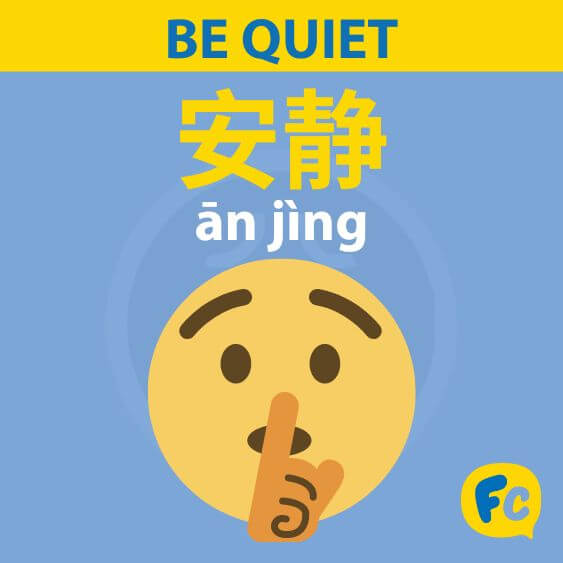
安静ān jìng
Be quiet
This is a more polite option. If you are in a public, quiet area and someone is bothering the crowd, you can ask them to lower their volume without sounding rude.
For example:
大家安静点儿
Everyone, please be quiet.别吵bié chǎo
Don’t make noise
This is a softer way to stop the noises when you’re bothered. You use it more in a casual setting.
For example:
别吵了,快要上课了
Stop making noises. Class is about to start.
30+ Basic Business Chinese Vocabulary: Business Essentials
Do Business Like a Local || Commonly Used Business Chinese Vocabulary So, you have decided to do business in China. That’s great! However, you should be prepared to deal with locals who don’t speak English. If you want to develop…
“Shut Up” in Chinese || Fun and Playful Ways to Say Shut Up
少废话!shǎo fèi huà
Cut the nonsense!
This is perfect for when someone is rambling on about something. You just can’t stand it anymore. It has a teasing and fun vibe.
Sometimes, when you’re angry in an argument, you can say this too, but it’s not fun and relaxing in that case then.
打住!dǎ zhù
Stop right there!
This is a more upbeat and energetic way to tell someone to stop talking. It feels more like calling a timeout in a conversation than being rude.
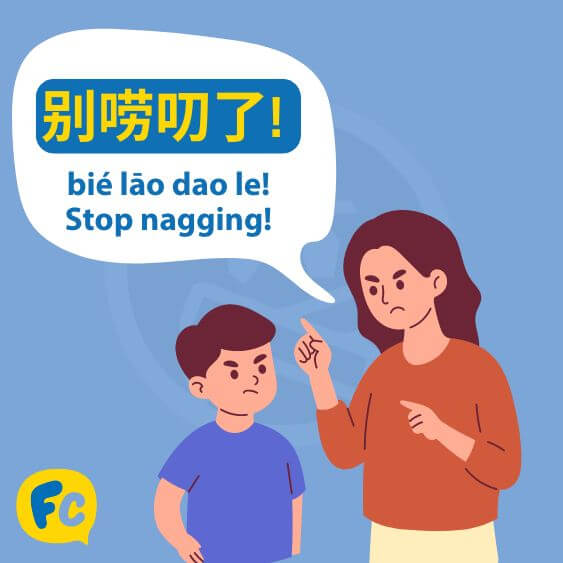
别唠叨了!bié lāo dao le!
Stop nagging!
This is a playful way to ask someone to stop repeating themselves.
Remember when your parents keep reminding you to finish homework, and your boyfriend or girlfriend can’t stop whining about their pet peeves? Yes you can use that phrase.
“Shut Up” in Chinese || Serious or Angry Ways to Say Shut Up
Sometimes, you can’t control your anger, and you desperately need to tell someone to be quiet. In those furious arguments, here are some phrases to express your attitude!
住口zhù kǒu
Shut your mouth
This is a more forceful way to tell someone to shut up.
It can be used the same as 闭嘴 (bì zuǐ) but it’s more literal. When you’re really upset in an argument, you can say it.
For example:
住口!我不想再听了!
Shut your mouth! I don’t want to hear it anymore!闭上你的臭嘴bì shàng nǐ de chòu zuǐ
Shut your stinky mouth!
This is a more intense and playful way to tell someone to be quiet.
It has a bit of joking around in the tone but still expresses your attitude when bothered by your close friends. If they’re comfortable with your sassy attitude, everyone laughs off it.
But if not used with your friend, it could sound harsh. So it could be helpful in an argument, even though it sounds mean.
滚开gǔn kāi
Go away / Get out
This is a phrase that good friends use a lot with each other.
It doesn’t directly mean “shut up,” but it can be used when you’re really angry and want someone to leave you alone and be quiet.
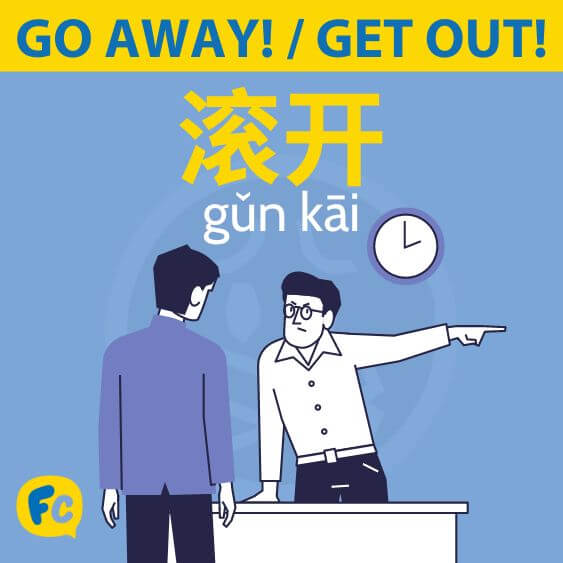
It could sound mean, but it could also add a fun punch to hanging out with your friends.
For example:
滚开,我不想再和你说话!Gǔn kāi, wǒ bù xiǎng zài hé nǐ shuōhuà!
Get out, I don’t want to talk to you anymore!

Chinese Business Etiquette and Cultural Norms: Do’s and Don’ts
Gain a Deeper Understanding of Business Culture and Build Strong Business Relationships in China 💼 Cultural elements (and differences!) play a vital role in business. This is especially true if you come from a Western culture and want to develop…
“Shut Up” in Chinese || Idioms and Phrases About Being Quiet
Chinese is full of idioms related to keeping quiet or being discreet. Let’s explore a couple that can help you sound even more literal and local when talking about silence.
默不作声mò bù zuò shēng
Stay silent
This idiom means to keep quiet and say nothing.
It can describe a situation in which someone chooses to remain silent.
For example:
他对这件事默不作声。
He stayed silent on this matter.三缄其口sān jiān qí kǒu
Keep one’s mouth shut
This idiom literally means to seal one’s mouth three times.
It describes someone who is very tight-lipped and keeps things to themselves, no matter how many they’re asked to spill the secret.
For example:
他一直三缄其口,不愿透露任何信息。
He kept his mouth shut and refused to reveal any information.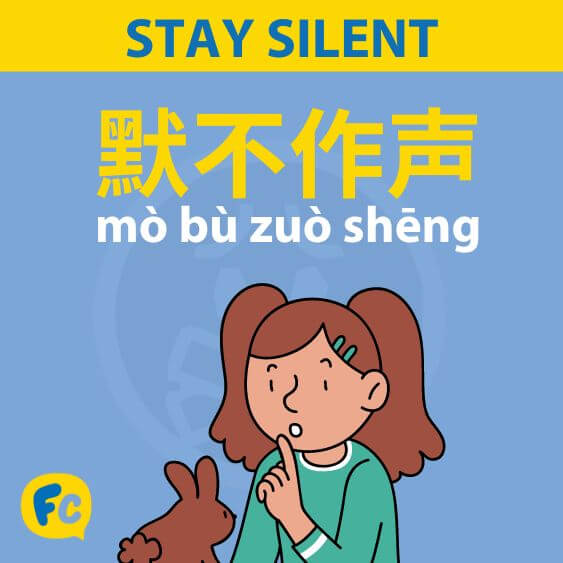
鸦雀无声yā què wú shēng
Not a sound from the crows or sparrows
It describes a scene that’s so quiet that you can’t even hear a crow or sparrow. That’s so rare in nature, isn’t it?
So, it usually refers to dead silence or an intensely quiet atmosphere.
For example:
教室里鸦雀无声,大家都在认真听课。
The classroom was completely silent, as everyone listened attentively to the lesson.That’s all for this article. How do you say “shut up” in your native language? Share with us here!
“Shut Up” in Chinese || FAQs
What’s the most casual way to say “shut up” in Chinese?
You can use 别说了 (bié shuō le), which is commonly used among friends and doesn’t sound too harsh.
How do I tell someone to be quiet politely in Chinese?
The word 安静 (ān jìng) is a polite way to ask someone to be quiet, especially in formal settings.
What’s a playful way to tell someone to stop talking in Chinese?
少啰嗦 (shǎo luōsuo) is a fun and teasing way to tell someone to stop chit-chating.
How do you say “shut up” angrily in Chinese?
You can use 闭嘴 (bì zuǐ) or 滚开 (gǔn kāi) if you’re feeling really upset.
Are there idioms in Chinese about keeping quiet?
Yes, idioms like 默不作声 (mò bù zuò shēng) mean to stay silent, and 三缄其口 (sān jiān qí kǒu) means to keep one’s mouth tightly shut.
Want more from Flexi Classes?
Reading apps like Maayot are great for daily practice. If you also want to speak with a native teacher, you can try our live Mandarin classes with a 7-day free trial.
We also offer immersive Chinese courses in China. You can learn more about those here.
Sign up below and become part of our ever-growing community.
⭐ Download our free ebook, your starter pack of essential Mandarin learning resources!