

 Spanish
 Italian
 French
 Russian
 Japanese
 Mandarin Simplified
 Mandarin Traditional
 Vietnamese
 Cantonese
 Shanghainese
 Taiwanese
The Best Apps for Learning Chinese (Right Now)
33 Apps for Learning Chinese You Need to Add to Your Portfolio
Quick answer: The best all-round apps for learning Chinese in 2026 are HelloChinese (structured beginner course), Pleco (dictionary and flashcards), Skritter (character writing), Anki (vocabulary retention), and Pimsleur (audio-first speaking). Pick one for structure, one for characters, and one for listening, then layer them together for real progress.
Finding the right app for learning Chinese makes a real difference: the wrong one wastes months on content that never sticks, while the right one fits exactly how you learn. We’ve been testing and reviewing apps for learning Chinese since 2014, and this list covers the best ones available right now, organised by the skill they sharpen most.
Mandarin has a few quirks that most general language apps handle badly: four tones (plus a neutral tone), thousands of characters, and a choice between Simplified and Traditional scripts. We flag which apps actually address those challenges and which ones gloss over them. If you want the quick answer, jump to our shortlist of overall top picks or the best app for you guide.
- Find the right app by skill
- Our top picks at a glance
- Which app is right for you?
- What makes Chinese different from other languages?
- Three more apps worth knowing: Pimsleur, FluentU, and Memrise
- Apps get you started. A real teacher takes you further.
What makes Chinese different from other languages?
Before picking an app, it helps to know what you are actually dealing with. Mandarin has three features that most general language apps handle badly.
Tones. Mandarin has four tones plus a neutral tone. The same syllable means completely different things depending on which tone you use: 买 (mǎi) means ‘to buy’ while 卖 (mài) means ‘to sell’. An app that teaches vocabulary without drilling you on tones is building on sand.
Characters. There is no alphabet. Mandarin uses thousands of characters, each with its own meaning and stroke order. Reading and writing require a separate, dedicated practice track: you cannot just pick it up from vocabulary drilling.
Simplified vs Traditional. Mainland China uses Simplified characters; Taiwan and many overseas communities use Traditional. Most beginners learn Simplified, but if your goal is connected to a Traditional-script community, check that your app supports the right script.
For a realistic look at how long all of this takes, see our guide on Mandarin difficulty and learning timeline.

Find the right app by skill
Not all Chinese apps are built equal: most are strong in one or two areas and weak in others. Here is a quick reference so you can go straight to what you need.
| Skill | Best apps in this list |
|---|---|
| Reading | Beelinguapp, Du Chinese, Decipher, Pleco |
| Writing (characters) | Skritter, ChineseSkill, HelloChinese |
| Listening | Innovative Language 101, ChineseSkill, Pimsleur, FluentU |
| Speaking and tones | HelloChinese, Speechling, Pimsleur |
| Vocabulary | Anki, Drops, Busuu, Memrise, Chineasy Cards |
| Gamification | Drops, ChineseSkill, HelloChinese |
Each app in the full list below notes the primary skill it covers. Use the table above to jump to what matters most right now.
Our top picks at a glance
Not sure where to start with 33 options? Here are the apps we would recommend to most learners depending on where they are.
- Complete beginner: HelloChinese (structured, Chinese-specific, free to start)
- Best dictionary: Pleco (free, used by almost every intermediate and advanced learner)
- Best for characters: Skritter (stroke-order writing with spaced repetition)
- Best for vocabulary retention: Anki (free, infinitely customisable with HSK decks)
- Best for listening and tones: Pimsleur (audio-first, great for commutes)
- Best for real-world Chinese: FluentU (native video content with interactive subtitles)
- Best gamified option: Drops or ChineseSkill (fast, habit-forming, low commitment per session)
- Best for reading practice: Du Chinese or Decipher (graded content at your level)
Which app is right for you?
The best app depends on your goal and your current level. Here is a quick guide.
You are a complete beginner with no Chinese at all: Start with HelloChinese. It is the most Chinese-specific structured course available for free, and it introduces tones and characters from lesson one.
You learn by ear and want to practise during commutes: Pimsleur is built for you. No screen required. Strong on spoken Mandarin and tones.
You want to read Chinese content: Combine Du Chinese or Decipher (graded reading) with Pleco (instant lookup). This is the fastest way to build reading stamina.
You need to write characters (for an exam or for study): Skritter is the dedicated choice. Pair it with Anki for vocabulary retention.
You are an intermediate learner who wants to close the gap with native speech: FluentU with real video content, or Innovative Language 101 for structured audio lessons.
You want to supplement a live course: Anki for vocabulary review between classes, and Pleco for anything you encounter that your teacher has not covered yet.
1. Beelinguapp

Beelinguapp enables you to read and listen to an audiobook with text on the screen in two languages.
You will no longer need to memorise vocabulary with Beelinguapp.
Scan your favourite children’s stories, short stories, novels and more in your native language and Chinese
Supported languages: Arabic, Chinese, English, French, German, Hindi, Italian, Japanese, Korean, Portuguese, Russian, Spanish and Turkish, etc.
Best for improving your Chinese reading.
Beelinguapp Review (2023) – Learn Chinese with Audiobooks
Our Honest Beelinguapp Review from The Language Experts Who Actually Use it (2023) Beelinguapp Review: 6/10An app that’s pretty one-of-a-kind, read alongside in two languages and learn as you go, acquiring languages as you do your favourite things; listening to…
2. Busuu
Busuu is a language learning app that teaches vocabulary and grammar with quick lessons and exercises. It has a great feature allowing you to connect to native speakers, to get advice in the language you’re learning and vice versa.
Supported languages: Arabic, Chinese, English, French, German, Italian, Japanese, Polish, Portuguese, Russian, Spanish and Turkish, etc.
Best for improving your Chinese vocabulary.
See our full review of Busuu.

Busuu Review (2023 Update) Learn Chinese with a Personalised Study Plan
Busuu Review; How Much Chinese Can I Really Learn Using Busuu? Busuu Review: 9/10A really nicely laid out all-round Chinese learning app that matches up to the CERF framework to help you assess your level. Get a personalised study plan…
3. Anki
Anki is not a Chinese-specific app, but it has become one of the most powerful tools in a Chinese learner’s kit. It is a flashcard app built around spaced repetition: it shows you a card just before you are likely to forget it, so you review less and retain more. The core app is free on desktop and Android (there is a paid iOS version).
The real power comes from the community. You can download pre-made decks for every HSK level, popular textbooks, or custom vocabulary sets. Many intermediate learners build their own decks from words they encounter in reading or listening practice.
HSK alignment: Any level (user-configured)
Best for: Self-directed learners, intermediate and advanced students building vocabulary systematically
Skill focus: Vocabulary, character recognition
Pricing: Free on desktop and Android; one-time purchase on iOS
4. Chineasy Cards

ShaoLan Hsueh is the author and illustrator of the Chineasy language learning system Chineasy.
With Chineasy she has cleverly brought Chinese characters to life by designing colourful pictures around the characters.
These are a unique way to learn Chinese by using imagery when learning.
Chineasy illustrations and learning materials are available in flashcards, textbooks and now on the Chineasy app.
Supported Languages: English
Best for improving your Chinese vocabulary.
See our full review of Chineasy:

Chineasy – Should I Believe The Hype? (2023 Update)
Chineasy has become a household name in the Chinese language learning market. So it’s about time we gave you a Chineasy Review!

5. Innovative Language 101
The Innovative Language 101 app is an extension of ChineseClass101.
ChineseClass101 is a compilation of Chinese lessons in the form of podcasts.
You can search podcasts by topic and difficulty. Lesson range from 10 to 15 minutes and are a standard Mandarin dialogue.
Supported Languages: Arabic, Bulgarian, Cantonese, Chinese, Czech, Danish, Dutch, English, Filipino, Finnish, French, German, Greek, Hebrew, Hindi, Hungarian, Indonesian, Italian, Japanese, Korean, Norwegian, Persian, Polish, Portuguese, Romanian, Russian, Spanish, Swahili, Swedish, Thai, Turkish, Urdu, Vietnamese, Afrikaans, etc.
Best for improving your Chinese listening.
See our full review of Innovative Language and ChineseClass101.

Innovative Language Review (2023) – Is it Worth the Download?
Innovative Language Review (2020) – Learn Chinese via audio and video lessons, personalise your own course and curriculum with a different kind of app.
6. ChineseSkill
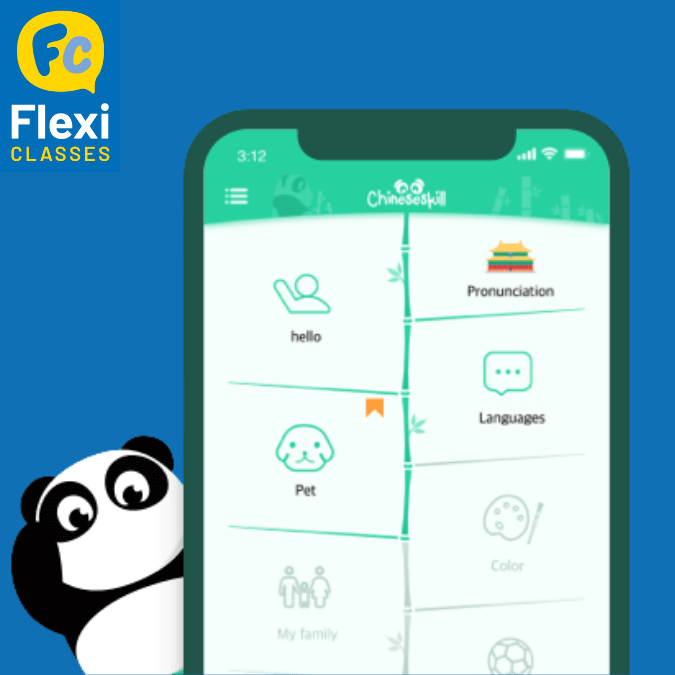
ChineseSkill lets you play Chinese learning games, listen to genuine conversations, and review what you’ve covered, all while testing your listening, reading, writing, and speaking skills.
It now includes videos and speech recognition, making it one of the more complete all-in-one options in this list.
Supported Languages: English, French, German, Japanese, Korean, Portuguese, Russian, Spanish, Traditional Chinese, Vietnamese, etc.
Best for improving your Chinese listening.
See our full review of ChineseSkill.
Enjoying this review on the best apps for Learning Chinese? Here are the must have apps in China you have to discover.
7. Decipher
Decipher gives you bite-sized pieces of text from news articles and magazines in China.
New materials are posted every day on topics around of Chinese culture, language or trending news.
Articles are scored by their difficulty, allowing you to study at your level.
With an instant dictionary, pinyin, vocab guide and Chinese audio, you can touch on fundamentals of Chinese with Decipher. There is also an option to memorise five words each day as a way to stay on track.
Supported Languages: English
Best for improving your Chinese reading and listening.
See our full review of Decipher.
8. Drops
Drops is a free language learning app focused on quick and energetic games to help you make a daily routine in learning Chinese.
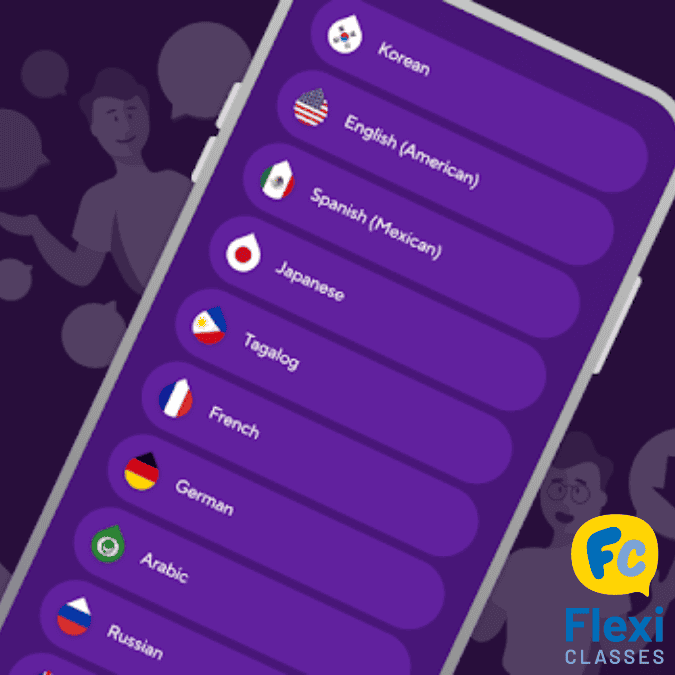
The free version gives you 5 minutes of game time every 10 hours, which is plenty of time for the student on the go wanting to make a habit of learning Chinese.
Supported Languages: Arabic, Cantonese, Chinese, Danish, Dutch, English, Esperanto, Finnish, French, German, Greek, Hawaiian, Hebrew, Hindi, Hungarian, Icelandic, Indonesian, Italian, Japanese, Korean, Maori, Norwegian, Polish, Portuguese, Russian, Samoan, Spanish, Swedish, Tagalog, Thai, Turkish, Vietnamese
Best for improving your Chinese vocabulary.
See our full review of Drops.
9. Du Chinese
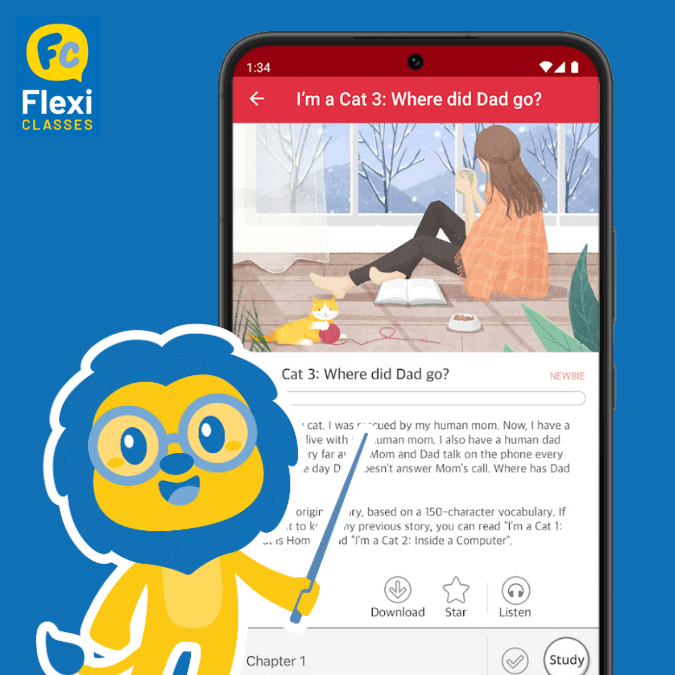
Du Chinese (which translates to Read Chinese) does what the name implies, by allowing you to read Chinese!
The app is divided into six levels beginning at elementary and ending with mastery. There is always new content to keep you coming back.
Articles are bite-sized chunks, meaning you don’t have to set aside long periods to study with Du Chinese.
Supported Languages: English
Best for improving your Chinese listening.
See our full review of Du Chinese.

10. Duolingo
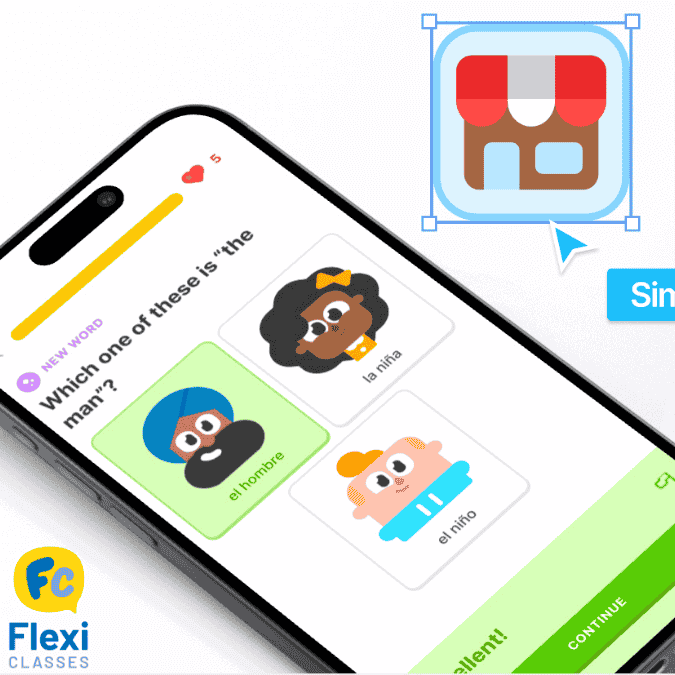
Duolingo is one of the biggest names in town in terms of apps for learning Chinese.
When you first use Duolingo you’ll need to do an assessment so it can start you ‘at your level’ of Chinese.
From here you’re shown topics to progress through like a game.
Supported Languages: Arabic, Chinese, Czech, Danish, Dutch, English, Esperanto, French, German, Greek, Hebrew, Hindi, Hungarian, Indonesian, Irish, Italian, Japanese, Korean, Latin, Norwegian, Polish, Portuguese, Romanian, Russian, Spanish, Swahili, Swedish, Turkish, Ukrainian, Vietnamese, Welsh.
Best for improving your Chinese vocabulary and listening.
See our full review of Duolingo.
Is Duolingo actually good for Chinese?
Short answer: it is a decent starting point, but it has real limitations for Mandarin specifically.
Duolingo’s Chinese course will get you reading pinyin, picking up basic vocabulary, and getting a feel for sentence structure. The gamification keeps beginners coming back. For that first month or two, it genuinely works.
The problems start around intermediate level. Duolingo’s tone instruction is thin: you will see tone marks on pinyin, but the app does not systematically drill you on distinguishing tones by ear, which is the part most learners find hardest. Character writing is not taught at all: you tap characters to assemble answers rather than writing them from memory. And the grammar explanations are minimal compared to a dedicated Chinese app like HelloChinese.
The honest take: use Duolingo to build a daily habit at the very start, but swap in or layer on a more Chinese-specific app (HelloChinese, Skritter, Pleco) within the first few months if you want real progress.
11. Hack Chinese
FAVOURITE ALERT: resources don’t get an awful lot better than Hack Chinese.
If you want to find the ultimate place learn and absorb Chinese characters, I don’t think you’ll find any better than Hack.
DISCLAIMER: Hack is actually an in browser learning tool and not a downloadable app available on your App Store or Play store, yet.
However, there was no way we’d leave it out based on a little technicality!
We’ve talked at length about Hack before so we won’t go repeating ourselves.
Our written and video reviews are here for you to see just how good this tool really is.

See our full review of Hack Chinese.
12. HelloChinese

HelloChinese is one of the most recommended apps for absolute beginners. It follows a structured curriculum built around HSK levels 1-5, covers tones and pinyin from day one, and introduces Simplified characters through stroke-order animations.
The gamified lesson flow feels similar to Duolingo, but the Chinese-specific depth is noticeably better: tone drills, handwriting practice, and grammar notes that actually explain why a sentence is constructed the way it is.
A free tier covers a substantial amount of content. The premium subscription unlocks all levels, offline access, and expanded grammar explanations.
Watch yourself ‘level up’ as you progress through HelloChinese. There are over 2000 videos with native Chinese speakers and speech recognition to help you get your tones correct.
HSK alignment: HSK 1-5
Best for: Beginners who want a structured, Chinese-specific curriculum
Skill focus: Vocabulary, grammar, tones, reading
Pricing: Free tier available; premium subscription required for full access
Supported Languages: English, French, German, Japanese, Korean, Portuguese, Russian, Spanish, Thai, Vietnamese.
See our full review of HelloChinese.
13. HelloTalk
HelloTalk is an app that started with the simple idea of connecting people wanting to learn each other’s languages. With it, you could help people discover your native language and vice versa.
HelloTalk evolved to having a vast collection of learning flashcards to help user even further:
Over 150 Supported languages!
Best for improving your Chinese communication and vocabulary.
See our full review of HelloTalk.
14. HiNative

HiNative is a community app, with it, you can ask questions to people who speak a language you want to learn and in return answer questions about your native language.
It allows you to use templates, ask for pronunciation, see if a sentence is correct and get suggestions on how to talk from native speakers.
With over 5 million users in 170 countries, there is almost no limit to the number of languages you can learn with HiNative.
Best for improving your Chinese writing and communication.
See our full review of HiNative.
15. HSK Online
This app comes with a detailed video review by us (see below)!
Despite the fact HSK Online is geared towards the HSK exam, that doesn’t mean you have to be studying for the HSK to benefit from this app.
HSK Online app can improve your listening, reading, writing, vocabulary and of course, your HSK exam preparation.
Supported languages: English, French, Japanese, Korean, Russian, Spanish, Thai and Vietnamese
Best for getting ready for the HSK exam.
See our full review of HSK Online or watch our video below.

DID YOU KNOW – we offer dedicated HSK Courses online. Check it out!
16. iQiyi
iQiyi is unofficially China’s Netflix.

Available on the app store it can become a mandarin learner’s best friends with unlimited Chinese TV shows and movies to watch and improve your listening skills.
Supported languages: Chinese, English, Indonesian, Korean, Malay, Spanish, Thai, Traditional Chinese and Vietnamese
Best for improving your Chinese listening.
See our full review of iQiyi.
17. LinGo Play
LinGo Play is devoted to learning languages through games.
In the app, you’ll learn vocabulary and grammar lessons with interactive flashcards.
See track your progress and see how you’re doing on the leader boards. LinGo Play is an excellent app for competitive learners.
Supported Languages: Arabic, Chinese, Czech, Danish, Dutch, English, Finnish, French, German, Greek, Hebrew, Hindi, Hungarian, Indonesian, Italian, Japanese, Korean, Norwegian, Polish, Portuguese, Romanian, Russian, Slovak, Spanish, Swedish, Thai, Turkish, Vietnamese.
Best for improving your Chinese vocabulary and grammar.
See our full review of LingGo Play.
18. LingoDeer
LingoDeer offers a wide variety of tools for learning a language.
It has a vast vocabulary and everyday sentences and helps you understand the link between vocabulary, pronunciation, grammar and sentence structures.
As a bonus feature, you can record yourself and listen to make sure you’re getting your tones correct.
Supported Languages: French, German, Japanese, Korean, Mandarin Chinese, Russian, Spanish, Vietnamese.
Best for improving your Chinese pronunciation and grammar.
See our full review of LingoDeer.
19. LingoDeer+
The little brother to LingoDeer is LingoDeer+.
It has the same look and feel to LingDeer but uses games to help you review vocabulary and grammar.
Supported Languages: French, German, Japanese, Korean, Mandarin Chinese, Russian, Spanish, Vietnamese.
Best for improving your Chinese vocabulary and grammar.
See our full review of LingoDeer+.
20. M Mandarin
M Mandarin formally known as Manga Mandarin uses comics to teach you Chinese. With numerous comics at varying difficulty levels, it’s effortless to find the content you find interesting.
As a bonus, there are audio recordings, search for character meanings and quicksave vocabulary.
Supported Languages: Arabic, Chinese, English, Japanese, Korean, Russian, Simplified Chinese, Spanish, Thai.
Best for improving your Chinese reading and listening.
See our full review of M Mandarin.
21. Mandawin
Mandawin is an app that helps with the fundamental building blocks of Chinese character, this then allows you to learn how they slot together to make more complex characters. They use spaced repetition that prompts you to review words at just the right time for optimal memorisation.
Supported Languages: English
Best for improving your Chinese reading.

A New Kid On The Block // Mandawin App Review (for 2023)
Mandawin Review (for 2021) // Time for another new Chinese learning app folks, this time we take a look at the cleverly named Mandawin.
22. Memrise
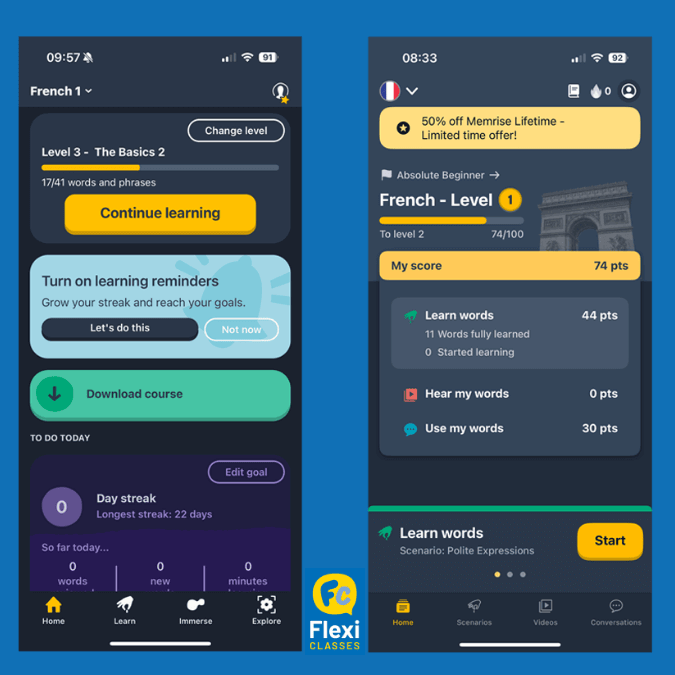
Memrise is a strong competitor in the apps to learning Chinese for students that rely on flashcards.
The app offers a colourful and gamified way to learn multiple languages.
Memrise uses short video clips of native speakers alongside its spaced-repetition vocabulary system. The Mandarin course is community-built, so quality varies, but the core vocabulary content for beginners is solid and the app is free at the basic level.
One thing we love about it is the recordings done by native speakers making listening clear and straightforward.
A recent addition is a game with videos of native speakers saying words, and you have to choose the correct one.
These videos are a huge help for getting your mouth moving in the right direction when pronouncing new words.
Supported Languages: Arabic, Danish, Dutch, English, French, German, Hindi, Indonesian, Italian, Japanese, Korean, Malay, Norwegian Bokmål, Polish, Portuguese, Russian, Simplified Chinese, Spanish, Swedish, Traditional Chinese, Turkish, Vietnamese, Welsh.
Best for improving your Chinese vocabulary and listening.
See our full review of Memrise.
23. Mondly
Mondly dedicates itself to helping you learn new vocabulary and teach phrase structures helping you create full sentences.
There is also a handy chatbot with speech recognition to help you improve your speaking.
With Mondly you can also learn Afrikaans, Arabic, Bulgarian, Croatian, Czech, Danish, Dutch, English, Finnish, French, German, Greek, Hebrew, Hindi, Hungarian, Indonesian, Italian, Japanese, Korean, Norwegian Bokmål, Persian, Polish, Portuguese, Romanian, Russian, Simplified Chinese, Spanish, Swedish, Turkish, Ukrainian, Vietnamese.
Best for improving your Chinese vocabulary and grammar.
See our full review of Mondly Review.
24. Pleco

Pleco is the dictionary app that almost every serious Chinese learner ends up installing. It is far more than a lookup tool: you get stroke-order diagrams, example sentences, audio pronunciation, a built-in flashcard system with spaced repetition, and OCR so you can point your camera at a sign or menu and get an instant definition.
When you search Chinese words, you are shown the meanings, example sentences, parts of speech and a listening option. You can also use Pleco as a flashcard learning app, creating categories to review previous dictionary searches.
The core app is free and genuinely excellent. Add-on modules (additional dictionaries, enhanced flashcard decks, better OCR) are paid, but you can go a long way with the free version.
HSK alignment: All levels
Best for: Intermediate to advanced learners; anyone who reads Chinese-language content
Skill focus: Vocabulary, reading, character recognition
Pricing: Free core app; paid add-on modules available
Best for improving your Chinese listening, vocabulary and grammar.
See our full review of Pleco, or visit the full Pleco dictionary listing at pleco.com.

25. QQ Music
QQ Music is the Spotify of China.
It is by far one of the best apps for learning Chinese with music. If you want to make listening to Chinese songs a bigger part of your learning journey, QQ Music is your best option!
Supported languages: Chinese, English, French, German, Japanese, Spanish, Traditional Chinese.
Best for improving your Chinese listening.

QQ Music Review (2023) 🥊 QQ Music vs Spotify
QQ Music Review. Learning Chinese through listening to Chinese songs is one of the best ways to learn Chinese like a native.
26. Scripts
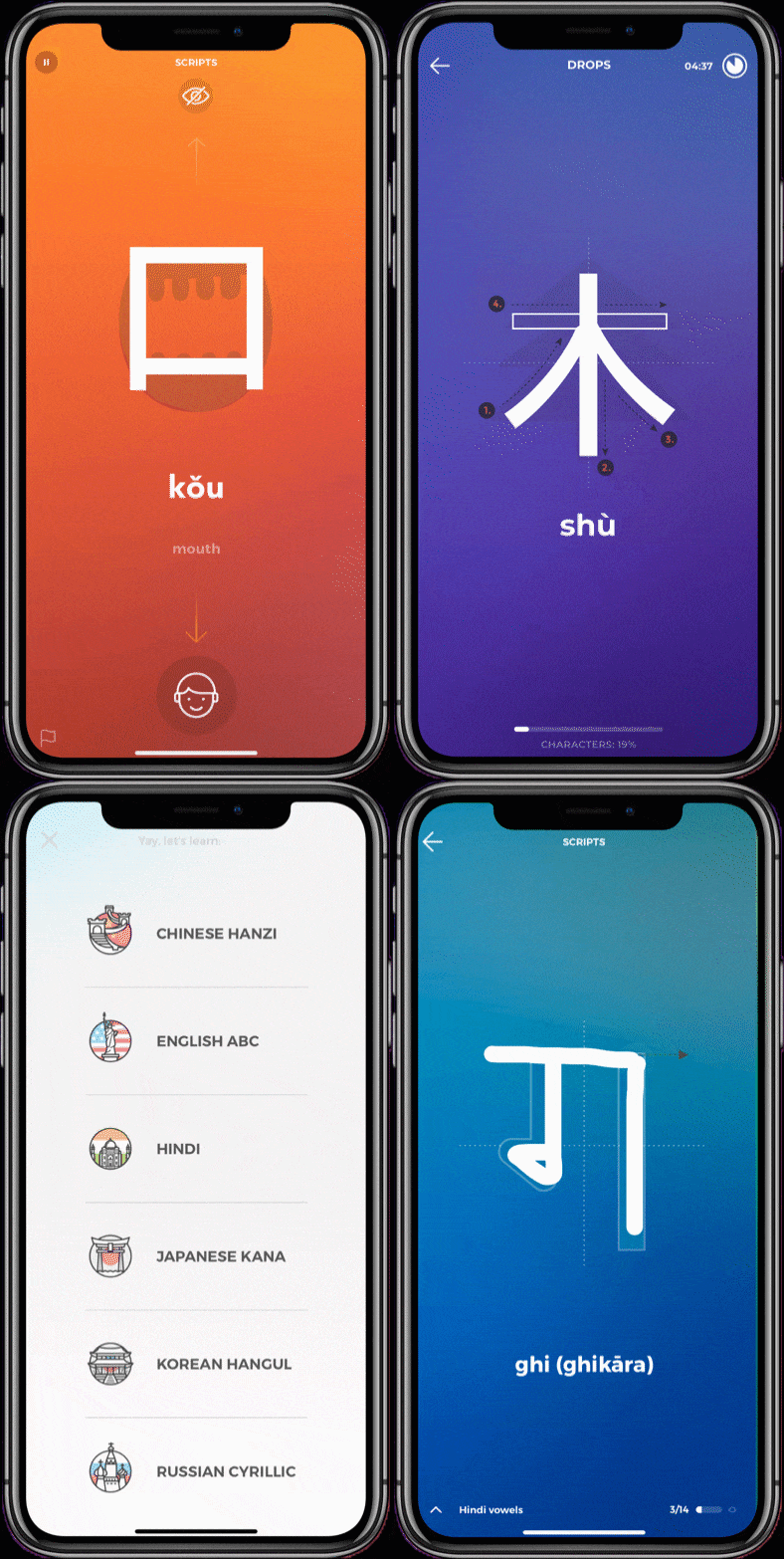
Scripts is an app developed by the same company that bought you Drops. It is an app targeted towards your Chinese writing.
Writing Chinese characters is probably one of the hardest elements of learning Chinese but we all must bite the bullet eventually if you want to be take your Chinese to the next level.
Scrips goes in-depth into the meanings behind the character and encourages you to write them over and over in a series of mini-games and tests. What’s not to love?!
Supported Languages: English
Best for improving your Chinese writing
See our full review of Scripts
27. Skritter

If writing Chinese characters is your weak spot, Skritter is the app built for exactly that. You practise stroke order by tracing characters on screen, and the spaced-repetition system brings back the ones you keep forgetting at exactly the right moment. It covers both Simplified and Traditional characters, so you can choose the script used in the city you are studying toward.
Skritter also integrates with popular textbook vocabularies (HSK lists, popular course books), so you can practise the exact characters your class is teaching. With it, you’ll be able to master characters, pinyin, tones and definitions.
Skritter is one of the better apps for building muscle memory when writing characters.
HSK alignment: HSK 1-6
Best for: Learners who want to write characters by hand, students using a structured textbook
Skill focus: Writing, character recognition
Pricing: Subscription-based; free trial available
Best for improving your Chinese writing.
See our full review of Skritter, or visit skritter.com.

28. Speechling
Speechling is one of the few Chinese language learning apps that focuses on your pronunciation.
Speechling is actually a non-profit based in the US that offers online speech tutoring however you are able to use their app for just the learning materials they have uploaded.
With Speeching you can listen to audio recording of native speakers giving real-world examples and advice on how to learn Chinese.
While the app is mostly geared towards pronunciation you’ll find plenty of wonderful reading and writing study materials to give you a better understanding of the language.
Want to study more than just Chinese?
With Speechling you’ll have access to learning material for English, French, Spanish, German, Russian, Italian, Japanese, Portuguese and Korean.
Best for improving your Pronunciation.

Speechling App Review 🦜 Should I Download It?
Speechling presents itself as a language-learning app focused on speech, but is it actually good? We tried it — here’s what we think.
29. Super Chinese
Super Chinese focuses on your fluency through its speech recognition.
After determining your level, you take different courses and as you go through them take tests to check your understanding.
Using AI, they are able to cater to your learning style.
A significant part of the app is its animated videos to help conceptualise topics.
Supported languages: English, French, Japanese, Korean, Russian, Simplified Chinese, Spanish, Thai, Vietnamese.
Best for improving your spoken Chinese.
See our full review of Super Chinese.
30. The Chairman’s Bao
The Chairman’s Bao is a simplified Chinese news site, aimed towards Mandarin learners.
There are regular updates with news articles that you can search by HSK level.
A fantastic feature is the Interactive Live Dictionary that allows you to highlight characters you don’t understand, and immediately see the pinyin and definition.
Supported Languages: English
Best for improving your Chinese reading.
See our full review of the Chairman’s Bao.

10 Best Chrome Extensions for Learning Chinese (2026)
Learning Chinese is different these days. One of the reasons is because there are some amazing Chrome Extensions for Learning Chinese at our fingertips.
31. Tiny Cards
Tinycards is not an app simply for learning Chinese, rather it’s intended for anyone who wants to use flashcards as a learning resource.
Having said that a search for ‘Chinese’ in the app and you’d find almost limitless flashcard resources.
Supported Languages: English, Portuguese, Spanish.
Best for improving your Chinese vocabulary.
See our full review of Tiny Cards.
32. uTalk
uTalk should be in any language learners phone! We’re not just talking Mandarin but of course, we reviewed it through that lens.
uTalk is a vocab building app that helps you improve your speaking and listening. Packed full of content, you can seamlessly search through different topics to assist you in different situations.
Supported languages: 140+
Best for improving listening skills.
See our full review of uTalk
🌍 Learning Spanish too? Check out the Best Free Spanish Learning App here
33. XiMaLaYa
XiMaLaYa is the number 1 platform for listening to podcasts, books, lectures and more in China.
If you want to improve your listening skills, XiMaLaYa has the biggest collection of audio files concerning apps for learning Chinese.
It wasn’t designed as a Chinese learning app, meaning beginners might struggle to use the platform. However, try the desktop version to translate the page into your native language.
The reason this is such a fantastic resource is the ability to offer you loads of audio content in a variety of categories.
Best for improving your Chinese listening.
See our full review of XiMaLaYa.
34. Ninchanese
We finish off with one of the more fun apps on the list.
Ninchanese was actually brought to our attention by one of our fabulous interns, Abigail. It’s fair to say we’ve been hooked ever since.

Learn Mandarin through gamification with their characters Nincha and Lupishu (our very own Lex even features in the app too)!
Ninchanese is split up into 6 main “worlds” which are based around the (old) HSK levels.
The HSK 5 and 6 worlds are split up into 2 worlds each (i.e. HSK 5 Part 1 and HSK 5 Part 2) since they cover so much content.
There’s something for everyone here and we wholeheartedly recommend you give it a go.
Best for improving your vocabulary and sentence structure.
See our full review of Ninchanese.
35. Pimsleur
Pimsleur is an audio-first programme, which makes it unusual in this list. Lessons run around 30 minutes and are designed to be done while commuting, walking, or doing anything that does not require your eyes. It is particularly strong for spoken Mandarin and tones because you spend most of the lesson listening and repeating rather than tapping at a screen. The trade-off: almost no character instruction, so it pairs better with a character-focused app than it stands alone. Subscription-based.
36. FluentU
FluentU takes real Chinese video content (TV clips, ads, music videos) and turns them into lessons with interactive subtitles. Tap any word to get a definition, example sentences, and a flashcard. It is one of the most effective tools for closing the gap between textbook Chinese and the Chinese people actually speak. Subscription-based.
Apps get you started. A real teacher takes you further.
Every app in this list has a ceiling. At some point, the fastest way to improve your tones, fix fossilised mistakes, and actually hold a conversation is to speak with a native teacher in real time.
At Flexi Classes, our Mandarin teachers are native speakers who tailor every class to where you are right now. You can try a class free to see if live learning works for you alongside your app stack.
Which one is your favourite? Comment below and let’s chat it out!
FAQ’s – Apps for Learning Chinese
What are the best apps to improve Chinese reading?
The best apps to learn Chinese that can help with reading are Beelinguapp, Chinese Skill, Du Chinese, Hello Chinese and HSK Online.
What are the apps for improving my Chinese writing?
Great apps for improving your Chinese writing are: Chinese Skill, Hello Chinese, HSK Online and Skritter
What are the apps for Chinese listening?
Apps that would improve your Chinese listening skills are Hello Chinese, HSK Online, iQiyi, Memrise, Pleco, QQ Music and XiMaLaYa.
What are the apps for Chinese flashcards?
Flashcard apps for learning Chinese are Chineasy cards, HelloTalk, LinGo Play, Memrise, Pleco and Tiny Cards.
Is Duolingo actually good for Chinese?
Duolingo works well for building a daily habit in the first few weeks: basic vocabulary, pinyin, and simple sentences. For Mandarin specifically, though, it falls short on tone drilling and does not teach character writing at all. Most learners get more from pairing Duolingo with a dedicated Chinese app like HelloChinese or Pleco as they progress.
Is HelloChinese better than Duolingo?
For Mandarin specifically, yes. HelloChinese is built around Chinese from the ground up, with structured tone practice, stroke-order character introduction, and HSK-aligned grammar notes. Duolingo’s breadth across many languages means its Chinese course lacks that depth. HelloChinese is the better choice for anyone serious about Mandarin.
Which Chinese app is most popular?
Duolingo has the largest global user base, but among dedicated Mandarin learners, Pleco (dictionary and flashcards), HelloChinese (structured beginner course), and Anki (spaced-repetition vocabulary) consistently top community recommendation threads on Reddit and language-learning forums.
What is the best way to learn Chinese quickly?
The fastest progress comes from combining skills: use a structured app (HelloChinese) for grammar and vocabulary, Skritter or Anki for characters, and a listening app (Pimsleur or FluentU) for tones and real speech. Adding live speaking practice with a native teacher accelerates progress significantly beyond apps alone. For the full picture of what the research says actually works, see our guide to the best way to learn Chinese
How long would it realistically take to learn Chinese?
The US Foreign Service Institute rates Mandarin as a Category IV language, requiring around 2,200 class hours for professional proficiency. For conversational ability (roughly HSK 4), most consistent learners reach that in two to four years. Apps speed up vocabulary and character recognition but cannot replace speaking practice. See our Mandarin difficulty and learning timeline for a detailed breakdown.
Can I learn Chinese by myself?
Yes, self-study is very feasible, especially for reading and vocabulary. A well-chosen stack of apps (HelloChinese for structure, Pleco for lookup, Skritter for characters, Anki for retention) can take you a long way. The hardest part to self-study is tones and spoken fluency, which improve most with real conversation practice.
15 comments
Amazing, best list of apps yet! Thanks Campbell
My pleasure Tim - hope they are useful
Cam
[…] Best Apps for Learning Chinese (2020) […]
I really like using Anki and Hack Chinese
Two fine choices! We love them also
https://flexiclasses.com/hack-chinese/ https://flexiclasses.com/anki-vs-quizlet/
I tried looking up Decipher for iPhone. It doesn't look like it is available. Any other recommendations?
Hmm looks like it's been discontinued. Good spot Pat.
You guys rule! Loving your content especially instagram and youtube
Super kind Jan, thanks 🙂
Great list. I just use Duolingo but maybe I need to change it up a bit
There's plenty to choose from Midori!
[…] https://flexiclasses.com/ […]
[…] https://flexiclasses.com/best-apps-for-learning-chinese/ […]
[…] as watching movies or listening to podcasts in the target language), incorporate gamification or language learning apps, or take a short break to recharge and come back with renewed […]
Hallo, I think you should have a good look at the "Chinese Deciphered" App. It is very good in breaking down characters into their components and explaining their meaning and history. This helps me a lot to remember them. There are also a Lot of drawings which can help as mnemonics.