

 Spanish
 Italian
 French
 Russian
 Japanese
 Korean
 Mandarin Simplified
 Mandarin Traditional
 Vietnamese
 Cantonese
 Shanghainese
 Taiwanese
Otaku Culture: Passion, Fandom, and Everything In Between
The Meaning and History of Otaku
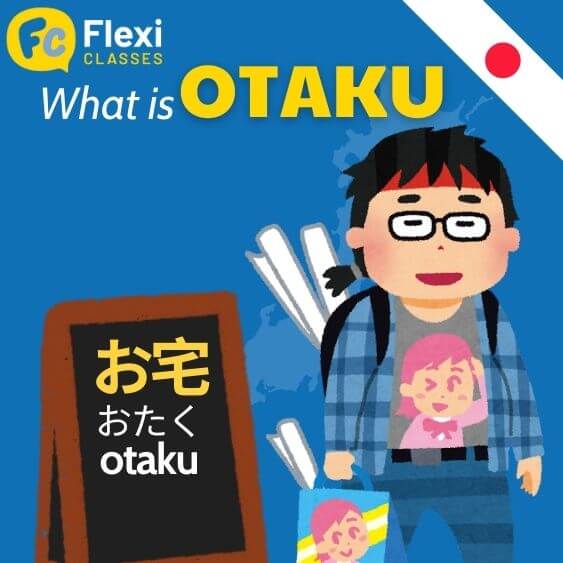
The term “otaku” is becoming increasingly popular around the world to describe people with a strong interest in hobbies, especially those related to Japanese pop culture.
👉 In Japanese, Otaku is お宅 [おたく]
But what exactly does “otaku” mean and how is it used?
What is Otaku || Origin of the Term Otaku
What is Otaku || Becoming Widely Used
What is Otaku || Similar Terms
What is Otaku || FAQs
What is Otaku || Origin of the term Otaku
The word おたく/お宅 – otaku originally meant your home.
Also today, the word 宅 たく- Taku is generally used for residence, and Otaku is used with an o for the other person’s residence.
Being at home is called 在宅 ざいたく – Zaitaku.
A residence is called 住宅 じゅうたく – Juutaku.

Thus, the character 宅 たく Taku was just a word for dwelling. Each person’s own house is called 自宅 じたく Jitaku.
It is said that the word Otaku first came to describe enthusiastic fans and lovers, because of the anime “The Super Dimension Fortress Macross.”
It is said that the production team of this anime work called each other “Otaku,” or that fans imitated the way the characters in the anime referred to each other as “Otaku” in the second person.
Even today, older people sometimes say otaku to mean you.
Although this usage is sometimes seen in old Japanese movies, it is rarely used as the second person nowadays because some people have a negative image of the sound of otaku. This usage was once widely used not only among anime fans but also in general.
Today, older employees of government offices and older companies, for example, sometimes say “Otaku-no-kaisha,” which means “your company.”
Today, the use of otaku in this “you” sense sounds very archaic. Still, there are several reasons why it was once used broadly to mean “you.”
First, while personal pronouns are rarely used in Japanese, otaku functioned as a kind of personal pronoun that could be used casually. Although it sounds old-fashioned now, it still feels more natural to use in conversation than anata or kimi.
Second, there is an Eastern tradition of using the other person’s residence as a designation for the other person. The word 帝 みかど – Mikado, meaning emperor, originally meant splendid gate. The word Mikado was originally used to refer to the emperor, meaning a person who lives in a place with a splendid gate.
From this perspective, calling the other party otaku is in keeping with traditional ways of showing respect and seems to be a natural practice.
What is Otaku || Becoming Widely Used
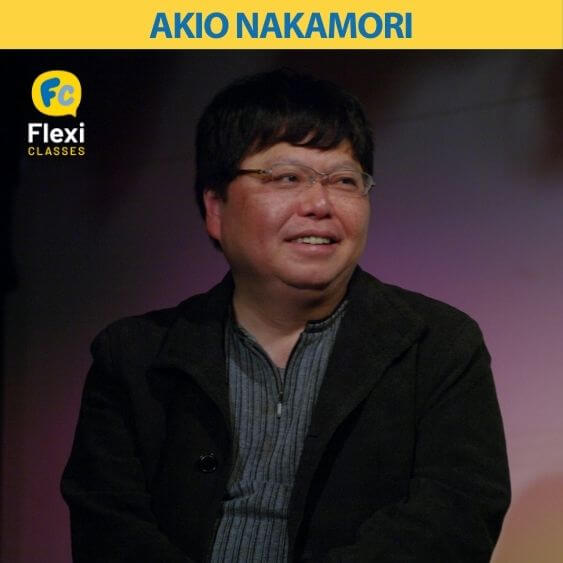
The transformation of otaku from a mere pronoun to a cultural label was influenced by writer Akio Nakamori’s use of the term to refer to anime fans in a magazine article in 1983.
Nakamori’s use of the term otaku had a somewhat negative connotation, involving social awkwardness and alienation from mainstream society. For this reason, some people have a negative image of the word Otaku.

Despite its early negative connotations, otaku gradually came to be used with pride, and by the 1990s the term had gained acceptance, especially among fans of anime, manga, video games, and computers.
The term otaku is used to describe people who have a deep, often specialized knowledge and passion for a particular subject, while light fans who simply follow a topic may also call themselves Otaku.

Our Top 9 Japanese Manga Recommendations || Beginner to Advanced Level Japanese
Want to read manga in Japanese? Here are LTL’s best 9 manga recommendations for each level of learner.
In modern times, the term is sometimes used to refer to more than just animated films.
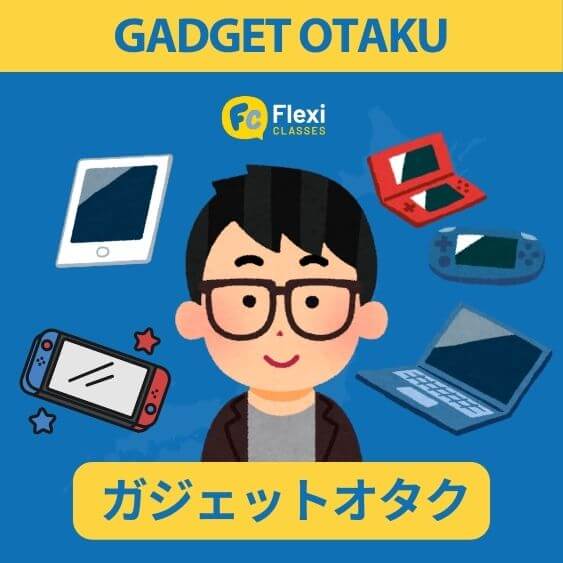
For example, a person who is very health-conscious, has a good exercise routine, and pays attention to his or her diet is sometimes called a “健康オタク[けんこう] kenkou otaku / health Otaku.”
A person who constantly follows the latest electronic devices such as smartphones, computers, VR goggles, etc., and collects them himself is called a “ガジェットオタク Gadget Otaku.”
What is Otaku || Similar Terms
Similar to Otaku, the word マニア – Mania is also often used. Derived from the English word maniac, it differs from the English nuance in that it focuses on something like erudition or a strong sense of commitment to a field.
Knowledge that is not well known to the general public and is known only to those who are quite interested in it is called マニアック – maniakku.
Compared to Otaku, the word Mania gives the impression of aiming for a more specialized, knowledgeable, and even academic level. The word マニア mania in Japanese gives the impression of a collector.
For example, we say health otaku but rarely use health mania. Car otaku gives the impression of a person who likes cars, while car mania means a person who does like cars, but at the same time has several cars.
In recent years, the term 推し おし – oshi has become more commonly used than otaku.
Oshi means to recommend or endorse, but increasingly people are describing being a fan of someone as 推し.
The Chinese character for 推 literally means to push. The word oshi is not a pronoun, but a verb turned into a noun, so there is no image about what the person is like, as was once the case with otaku.
While otaku and mania each have their own stereotypes of the people represented by the word, oshi is simply a reference to an action, with no associations attached to a person. Perhaps for these reasons, the term oshi has been used very often in recent years, even for things at the level of simply liking or being interested in them.

The term 推し活 おしかつ oshikatsu refers to the act of being a fan. The term is broadly used to refer to things such as watching a stream, following a social networking service, purchasing merchandise, or attending a live concert.
Katsu means 活動 かつどう – katsudou, a Japanese word that refers to an activity or action.
For example, looking for a job is called shukatsu and looking for a marriage partner is called konkatsu.
就活 しゅうかつ – shuukatsu stands for 就職活動 しゅうしょくかつどう –shuushoku katsudou.
婚活 こんかつ konkatsu for 結婚活動 けっこんかつどう kekkon katsudou.
Activities to collect points for coupons are ポイ活[かつ poi-katsu, and so on.
The word otaku is still in use, and while it has not completely replaced oshi, oshi is very much more current.
The word otaku has a somewhat individualistic sound to it, as if one enjoys a work personally, while the word oshi has been given the image of recommending and supporting someone collectively in the age of social networking.
The oshikatsu includes simply liking and reposting social networking posts of celebrities and works that you want to support, and does not require much of the knowledge required to be an “otaku” of the past. This ease of use may be one of the reasons why the term has been accepted.
Are you an otaku in any gerne? Share your passion with us here!
What is Otaku || FAQs
What does the term “otaku” mean?
The word “otaku” originally meant “your home.”
How was the term used before?
The term was used to mean “you” before, but not used that way in recent years.
When did otaku become widely used?
In 1983, Akio Nakamori referred to anime fans as otaku, and this is believed to be the occasion when otaku came to be widely used in its present meaning.
Does the term Otaku refer only to anime fans?
No. Someone who has a strong interest or enthusiastically endorses something is also called otaku.
Is the term otaku still used today?
Of course, it is still commonly used, but in recent years the term “oshi” has become more common.
Want More From LTL?
WANT TO LEARN JAPANESE? Check out our online Japanese courses here.
We offer a 7-day free trial to all new students where you can study 24/7.
What about studying Japanese in Japan instead? We’ve got your back. Our Japanese courses in Tokyo can either be taken in small groups of no more than 5 students or individually for a more tailored experience.
We even offer incredible homestay experiences in Tokyo as well.
Come and be a part of this amazing community.